The Science of Christmas Crossword – Need an engaging warm-up before the holiday meal or a cheerful game for your Christmas gathering? Your search ends here! A festive game like The Science of Christmas Crossword sets the tone for fun. Whether you solve it side-by-side or compete for the fastest time, tackling holiday-themed clues from reindeer to timeless films is guaranteed to spark laughter, fun, lighthearted rivalry, and memorable seasonal banter. It’s a surefire way to spark Christmas excitement—nothing extra needed but good company.

The holiday season is upon us, and what better way to get into the festive spirit than with a Christmas crossword? But this isn’t just any ordinary crossword puzzle – this is the Science of Christmas Crossword! Get ready to test your knowledge of all things Christmas-related, from the science behind Rudolph’s red nose to the physics of Santa’s sleigh. So grab a hot cocoa, cozy up by the fire, and let’s dive into the magical world of Christmas science!
The Magic of Santa’s Sleigh
Have you ever wondered how Santa’s sleigh is able to fly around the world in just one night? The answer lies in the principles of aerodynamics and physics. According to some scientists, Santa’s sleigh would need to travel at speeds exceeding the speed of light in order to deliver presents to every child on Earth. Of course, this is all in good fun, as we know that Santa operates outside the laws of physics as we know them. But it’s still fun to imagine the science behind the magic!
In addition to the sleigh’s speed, there are other scientific marvels at play during Santa’s journey. For example, the reindeer’s ability to fly is often attributed to some sort of anti-gravity device or magical potion. But in reality, the concept of flying reindeer is more closely related to the idea of animals adapting to their environment. In this case, Santa’s reindeer have evolved to have special flying abilities in order to help Santa deliver presents to all the children of the world.
The Chemistry of Christmas Lights
One of the most iconic symbols of the holiday season is the twinkling lights that adorn houses, trees, and streets. But have you ever stopped to think about the science behind these festive decorations? Christmas lights work by using a combination of different chemicals and materials to produce light. The most common type of Christmas lights are incandescent bulbs, which contain a filament that heats up and produces light when an electric current passes through it. LED lights, on the other hand, use a semiconductor to create light, making them more energy-efficient and longer-lasting.
The colors of Christmas lights are also a result of science. Different chemicals are used to create different colors of light, with red typically being produced by strontium, green by barium, and blue by copper. By combining these different chemicals in various ways, manufacturers are able to produce a rainbow of colors to brighten up the holiday season. So the next time you’re admiring a string of Christmas lights, take a moment to appreciate the chemistry behind their glow.
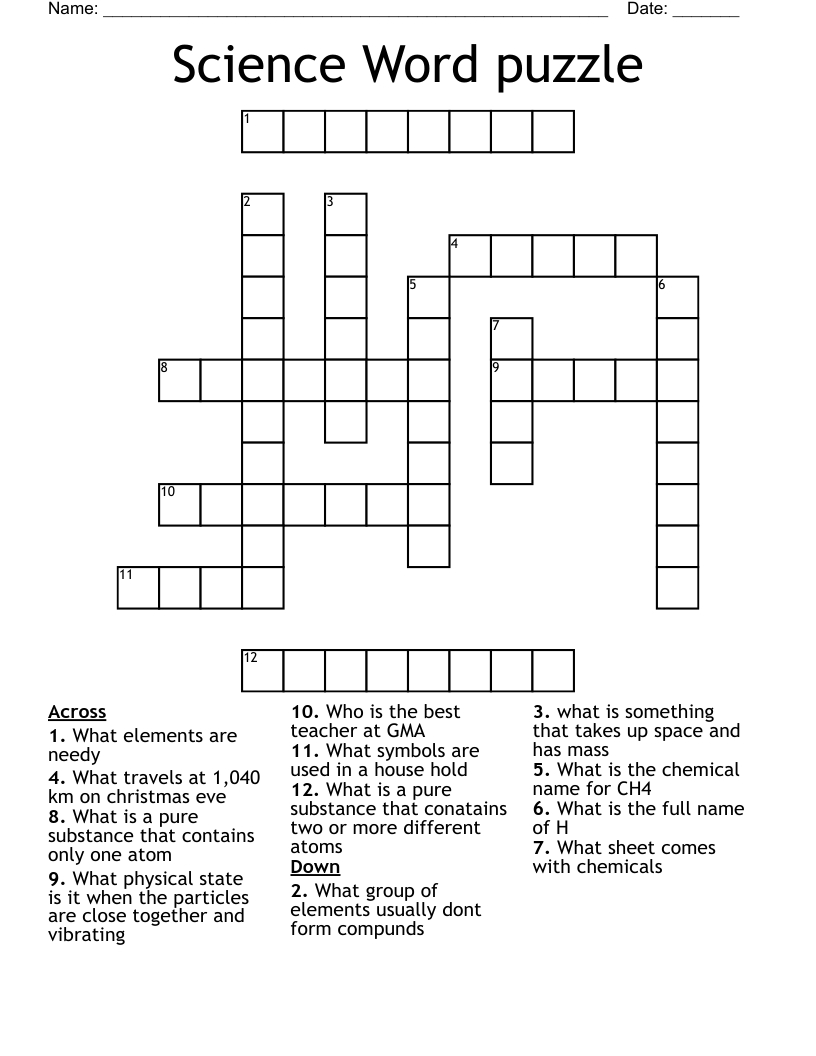


Christmas Crossword Puzzles:
Copyright Disclaimer: This website uses images from various sources, owned by their copyright holders. Contact us if you need attribution or removal.